In 1866, the 14th Amendment to the federal Constitution was passed, guaranteeing citizenship to the former slaves and changing them in the eyes of the law from 3/5 of a person to whole persons. Then, in 1869, the 15th Amendment guaranteed the right to vote to black men, with most women of all races still unable to vote.
1869 also marked the beginning of “Black Codes,” or state laws that restricted the freedoms of African Americans. Among the freedoms restricted was the freedom to exercise the right to vote. Literacy tests, poll taxes, hiding the locations of the polls, economic pressures, threats of physical violence, and other strategies to suppress the African American vote were either found in the Black Codes or flowed from them.
The Fifteenth Amendment (Amendment XV) to the United States Constitution prohibits each government in the United States from denying a citizen the right to vote based on that citizen’s “race, color, or previous condition of servitude” (for example, slavery). It was ratified on February 3, 1870. The Fifteenth Amendment is one of the Reconstruction Amendments.
Johnson assumed the presidency in November 1963 upon the assassination of President John F. Kennedy. In the presidential race of 1964, Johnson was officially elected in a landslide victory and used this mandate to push for legislation he believed would improve the American way of life, which included stronger voting-rights laws.
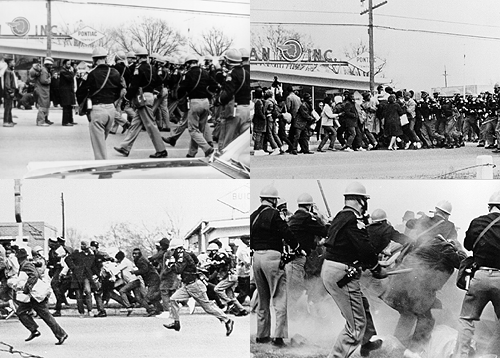
A march in Alabama in support of voting rights, during which blacks were beaten by state troops, shamed Congress and the president into passing the law, meant to enforce the 15th Amendment of the Constitution ratified by Congress in 1870.
In 1965, President Lyndon Baines Johnson signs the Voting Rights Act, guaranteeing African Americans the right to vote. The bill made it illegal to impose restrictions on federal, state and local elections that were designed to deny the vote to blacks.
http://www.history.com/this-day-in-history/johnson-signs-voting-rights-act